

Book Title and Author: Have a Little Faith by Mitch Albom
Genre: Memoir, Inspirational Nonfiction
Key Theme: Living Out Faith
Primary Audience: Any age group
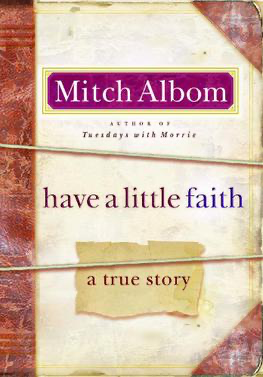
Do you wonder what it means to live out your faith? What does it mean to be joyful in suffering? Or to give our life in service to God? Have a Little Faith follows Mitch Albom’s journey with two clergymen: his childhood rabbi and a former-criminal turned pastor. Each of their stories show that despite their differing religions and backgrounds, their lives were transformed by their faith and continue to better the lives of others around them. Not out of necessity, but out of their own genuine love, gratitude, and trust in God. This book is for anyone wanting to see how embracing God’s love for us extends to loving the people around us, even when times are not great.
Albom builds his story around the real-life faith experience of Rabbi Albert Lewis and Pastor Henry Covington. He uses insights from both Jewish and Christian scriptures to illustrate what it looks like to live out one’s faith. Through Rabbi Lewis’ lifetime of service to the synagogue even while battling illness towards the end, Albom explores what joyful perseverance means. Through Pastor Covington’s journey of redemption from being a criminal and drug addict to becoming a pastor who does everything he can to help those who struggled the same way he did, Albom explores what repentance and redemption looks like.
One key insight from this book is that truly living out faith involves letting God’s love move through us and show up in real, concrete ways through kindness and mercy toward others. Our faith has an impact on us and we want to share that impact with others so they too can be impacted. Despite coming from different religious backgrounds, both the rabbi and the pastor clearly demonstrate this principle: Rabbi Lewis through his many years of caring for his congregation and sharing wisdom laced with humor, while Pastor Covington expresses it through extraordinary hospitality, opening his rundown church in Detroit to provide shelter and help for those in need. Albom’s engaging and heartfelt storytelling approach brings these examples close to us, making them seem relatable and possible to follow. It also highlights that showing God’s love in our lives is not about being perfect but about steady, grace-driven action even when we are imperfect and vulnerable.
This book challenged me to view faith not as abstract belief but as active love that mirrors God’s heart for people. The most actionable takeaway is observing how both men consistently chose service and forgiveness as expressions of received grace. This prompted me to start being more intentional with my actions. To think about my words before I say them, and try to listen more to people while they’re talking. I tried to think how I could help make at least one person’s life easier everyday. As the book unfolds through the challenges of living faithfully, whether in extending kindness to the broken, finding joy in suffering, or offering hope in hardship, these practices root my actions in God’s love that I first received, allowing that same love to flow genuinely through me to others.